
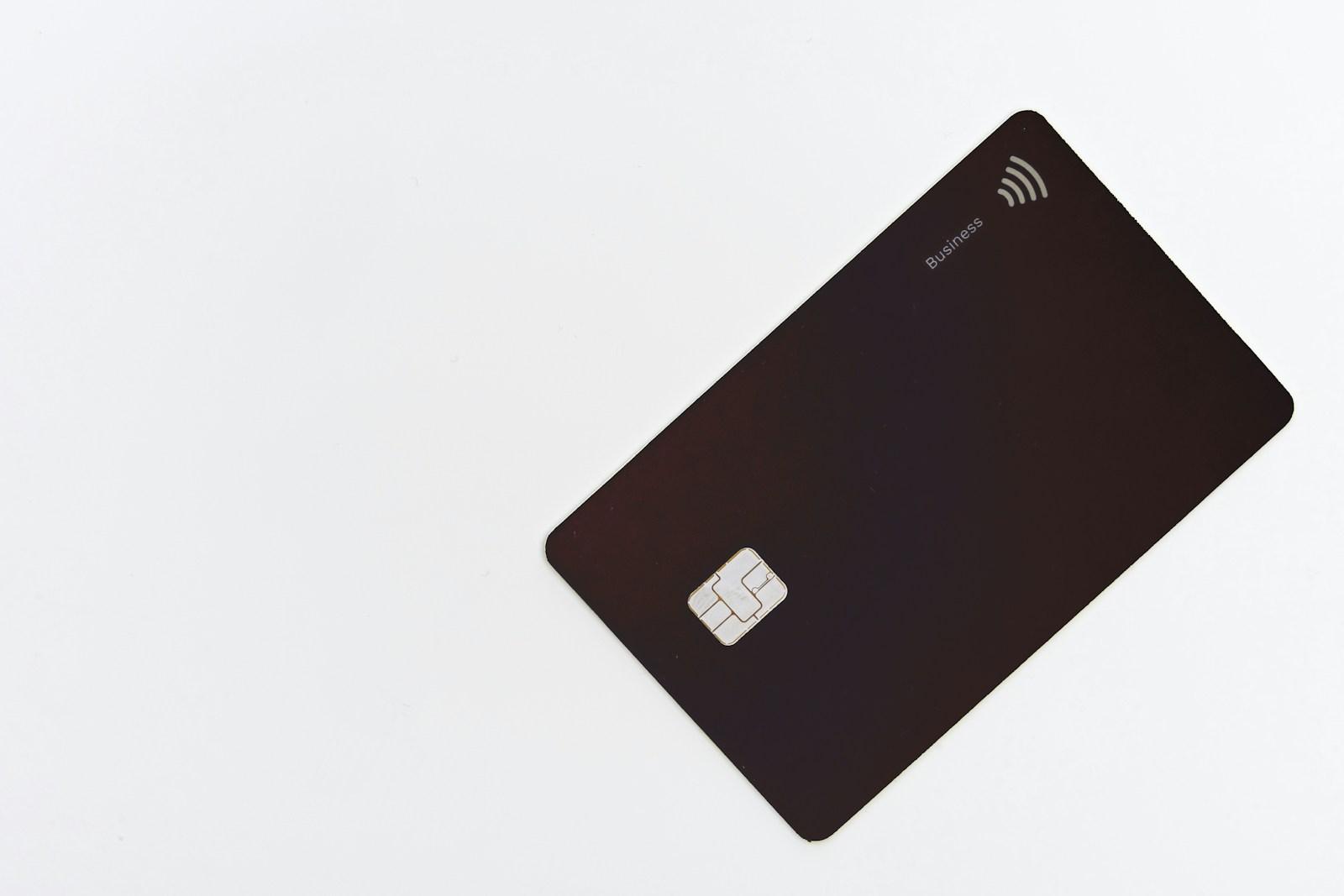
Secured credit cards are financial tools designed to help individuals build or rebuild credit. They look and function like regular credit cards, but they require a security deposit as collateral. This deposit reduces risk for the lender and provides access to credit for people who might otherwise be denied. Understanding how secured credit cards work, their benefits, drawbacks, and suitability helps you decide whether they are the right choice for your financial situation.
What Is a Secured Credit Card
A secured credit card is a type of credit card backed by a cash deposit. The deposit usually equals the credit limit, meaning if you deposit $500, your limit is $500. This deposit acts as collateral, protecting the lender in case you fail to pay. Secured cards are issued by banks and credit unions, and they report activity to major credit bureaus. Responsible use of a secured card builds positive credit history, which can eventually lead to approval for unsecured cards.
Benefits of Secured Credit Cards
Secured credit cards offer several important benefits:
- Credit Building: They provide access to credit for individuals with poor or no credit history. Timely payments improve credit scores over time.
- Accessibility: Approval is easier compared to unsecured cards, since the deposit reduces risk for lenders.
- Financial Discipline: Using a secured card encourages responsible spending and repayment habits.
- Transition Tool: After consistent use, many issuers allow customers to upgrade to unsecured cards.
These benefits make secured cards valuable for people who need a structured way to rebuild financial credibility.
Drawbacks of Secured Credit Cards
Despite their advantages, secured credit cards have drawbacks that should be considered:
- Upfront Deposit: The required deposit can be a barrier for individuals with limited savings.
- Low Credit Limits: Limits are tied to deposits, which may restrict purchasing power.
- Fees and Interest: Some secured cards charge annual fees or high interest rates.
- Slow Progress: Building credit takes time, and results are not immediate.
Understanding these drawbacks helps individuals weigh whether the benefits outweigh the costs.
Who Secured Credit Cards Are For
Secured credit cards are designed for specific groups of people:
- Individuals with Poor Credit: Those recovering from bankruptcy or past financial mistakes benefit from rebuilding credit.
- First‑Time Borrowers: Young adults or immigrants with no credit history gain access to the system.
- People Seeking Financial Discipline: Secured cards encourage budgeting and responsible repayment.
- Consumers Denied Unsecured Cards: Those who cannot qualify for traditional credit cards find secured cards as an entry point.
These groups benefit most from the structured nature of secured credit cards.
Is a Secured Credit Card Right for Me
Deciding whether a secured credit card is right for you depends on your financial goals. If you want to build credit history, improve your score, or gain access to credit responsibly, a secured card is a strong option. If you already have good credit, unsecured cards may offer better rewards and higher limits. Consider your ability to provide a deposit and commit to timely payments. If you are disciplined and focused on long‑term improvement, a secured card can be a valuable tool.
How Secured Credit Cards Work in Practice
Using a secured credit card involves making purchases and paying balances just like an unsecured card. The deposit remains untouched unless you default. Payments are reported to credit bureaus, which influence your credit score. Over time, consistent payments demonstrate reliability, improving your credit profile. Eventually, issuers may return your deposit and offer an unsecured card. This progression makes secured cards a stepping stone toward broader financial opportunities.
Comparing Secured and Unsecured Credit Cards
Secured cards differ from unsecured cards in several ways. Unsecured cards do not require deposits and often provide rewards programs. However, they are harder to obtain with poor credit. Secured cards require deposits but are accessible to more people. Both types report to credit bureaus, but secured cards are specifically designed for credit building. Understanding these differences helps you choose the card that aligns with your financial situation.
Tips for Using Secured Credit Cards Effectively
To maximize the benefits of a secured credit card:
- Pay on Time: Timely payments are the most important factor in building credit.
- Keep Balances Low: Avoid maxing out your limit, since high utilization can harm scores.
- Monitor Credit Reports: Check reports regularly to track progress and correct errors.
- Plan for Transition: After consistent use, ask your issuer about upgrading to an unsecured card.
Following these tips ensures that secured cards serve their purpose effectively.
Fraud Prevention Guide
Secured credit cards, like all financial tools, require careful use to avoid fraud. Protecting your account involves monitoring statements, using secure websites, and reporting suspicious activity immediately. Many issuers provide alerts for unusual transactions, helping you respond quickly. A fraud prevention guide from your bank or credit union can provide detailed steps for safeguarding your account. Responsible use not only builds credit but also protects your financial security.
Secured credit cards are practical tools for individuals seeking to build or rebuild credit. They require a deposit, offer limited credit lines, and demand responsible use. The benefits include accessibility, credit building, and eventual transition to unsecured cards. Drawbacks include upfront costs and limited rewards. Secured cards are best suited for people with poor credit, no credit history, or those denied traditional cards. If your goal is to improve financial credibility and you can commit to disciplined repayment, a secured credit card may be the right choice.





Leave a Reply