
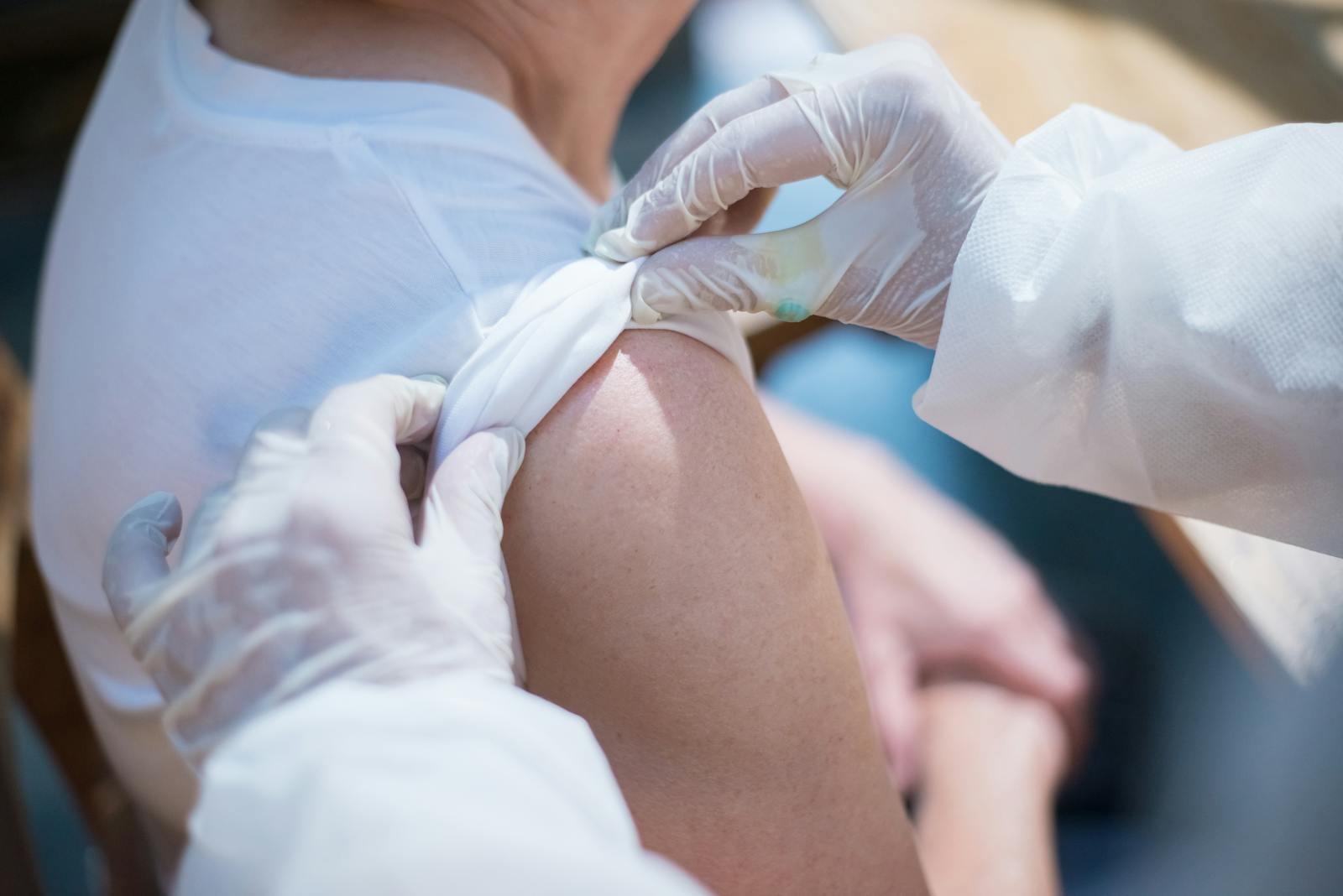
Preventive care coverage is one of the most important features of modern health insurance. It is designed to keep individuals healthy, reduce long‑term medical costs, and promote early detection of conditions before they become serious. Despite its importance, many people still have questions about what preventive care includes, how it works, and why it matters. This FAQ provides clear answers to help households understand and maximize their benefits.
What Is Preventive Care Coverage?
Preventive care coverage refers to health services that focus on preventing illness or detecting conditions early. These services are typically covered without cost‑sharing, meaning patients do not pay copays or deductibles. The goal is to encourage proactive health management rather than reactive treatment. Preventive care is built on the principle that early intervention saves lives and reduces costs.
What Services Are Included?
Preventive care often includes a wide range of services:
- Vaccinations for children and adults.
- Screenings for cancer, diabetes, cholesterol, and blood pressure.
- Annual checkups and physical exams.
- Prenatal and pediatric care for mothers and children.
- Counseling services for nutrition, smoking cessation, and mental health.
- Well‑woman visits and reproductive health screenings.
Coverage varies by plan but generally follows national health guidelines. Preventive services are updated regularly to reflect new medical research and public health priorities.
Who Qualifies for Preventive Care Coverage?
Most health insurance plans, including employer‑sponsored and marketplace plans, are required to cover preventive services. Eligibility is broad, ensuring that individuals of all ages can access these benefits. Children receive pediatric screenings, adults benefit from routine checkups, and seniors gain access to age‑specific screenings such as bone density tests. Preventive care is designed to be inclusive, supporting health across the lifespan.
Why Is Preventive Care Important?
Preventive care reduces long‑term healthcare costs by catching conditions early and promoting healthier lifestyles. It improves quality of life by preventing serious illnesses before they develop. Preventive care also reduces reliance on emergency services, which are more expensive and often less effective at managing chronic conditions.
For families, preventive care provides peace of mind. Parents know their children are receiving vaccinations and screenings, while adults can monitor their health through regular checkups. Preventive care empowers individuals to take control of their health, reducing risks and promoting longevity.
Are There Limitations?
Preventive care coverage may not extend to diagnostic tests or treatments that occur after a condition is detected. Patients should confirm with providers whether a service is classified as preventive before scheduling. Some plans may limit the frequency of certain screenings or require providers to be in‑network.
Limitations also exist in terms of scope. Preventive care focuses on early detection and prevention, not ongoing treatment. Once a condition is diagnosed, coverage shifts to standard medical care, which may involve copays, deductibles, or coinsurance. Understanding these boundaries helps patients avoid unexpected costs.
How Does Preventive Care Coverage Affect Communities?
Preventive care coverage contributes to healthier communities by reducing the prevalence of chronic diseases. Widespread access to screenings and vaccinations lowers the risk of outbreaks and improves public health outcomes. Communities benefit from reduced healthcare spending, fewer hospitalizations, and stronger workforce participation.
Preventive care also supports equity. By removing cost barriers, it ensures that low‑income households can access essential services. This reduces disparities in health outcomes and promotes fairness across populations.
Long‑Term Impact of Preventive Care Coverage
Preventive care coverage has long‑term benefits for both individuals and healthcare systems. Regular screenings and checkups reduce the incidence of advanced diseases, lowering treatment costs. Vaccinations prevent outbreaks, saving communities from expensive emergency responses. Counseling services encourage healthier lifestyles, reducing the burden of chronic conditions such as obesity and heart disease.
For individuals, preventive care means fewer medical emergencies, lower healthcare costs, and improved quality of life. For healthcare systems, it means reduced strain on hospitals, lower spending, and stronger public health outcomes. Preventive care is not just a benefit; it is an investment in long‑term wellness.
Preventive care coverage is a vital component of health insurance, offering services that protect individuals and communities from illness. While limitations exist, the benefits are significant, reducing costs, improving outcomes, and promoting equity.
Understanding preventive care coverage ensures that individuals maximize their benefits and contribute to healthier communities. Preventive care is more than a policy requirement; it is a pathway to long‑term wellness and resilience.





Leave a Reply