

7 min read · Last updated October 5, 2026
- Medicare’s 3-day rule requires 3 consecutive calendar days as a formally admitted inpatient, not just 3 days in a hospital bed, before it pays anything toward a skilled nursing facility (SNF) stay.
- A hospital must hand you a written MOON (Medicare Outpatient Observation Notice) no later than 36 hours after observation services start, once you’ve been there more than 24 hours, under Section 489.20(y) of the Code of Federal Regulations (42 CFR 489.20(y)).
- Observation care bills under Medicare Part B: a $283 yearly deductible, then 20% coinsurance on every service, with none of Part A’s inpatient protections.
- If the 3-day rule is never triggered, the SNF stay is 100% your cost from day one. Ask for your admission status and the MOON notice in writing on day one, not day four.
Medicare only counts a skilled nursing facility stay toward its 3-consecutive-day inpatient requirement if those days were billed as inpatient admission, not observation. A hospital can keep a patient under observation for a week, and none of it will qualify them for SNF coverage, even if they never left a hospital bed.
In this article
- What Medicare’s observation status actually means
- The MOON notice you are owed, and when
- Why the 3-day rule breaks the bill
- What to do inside the first 24 hours
- Frequently asked questions
Four consecutive nights in a hospital bed is not the same as four consecutive nights as an inpatient, and your billing status, not the room you slept in, is what Medicare counts. Dale, 68, spent four nights at a community hospital after a fall, confident he’d cleared whatever threshold Medicare used for coverage.
At checkout, a case manager told him every one of those nights had been billed as outpatient observation services, never inpatient admission. Medicare’s rule requiring 3 consecutive inpatient days before it pays a dime toward a skilled nursing facility had never been triggered. The rehab bed his doctor ordered next would cost him $217 a day at best, and possibly far more.
What Medicare’s observation status actually means
Observation status is an outpatient service, not an admission, even though the patient is in a hospital bed on a hospital floor. Doctors use it when they need more time to decide whether a full inpatient stay is medically necessary. The decision is clinical and administrative, made by the physician and the hospital’s utilization review process, and a patient usually has no way to tell the difference just by looking around the room.
The stakes are real because Medicare pays for observation care under Part B, the outpatient half of the program, not Part A, the hospital-insurance half. Medicare’s own 2026 cost page lists a $283 yearly Part B deductible, then 20% coinsurance charged separately for each covered service, from the ER visit to every scan and medication. There’s no single flat inpatient deductible covering the whole stay, and self-administered drugs given during observation are frequently billed outside Part B coverage entirely.
The MOON notice you are owed, and when
Federal law requires hospitals to tell patients when they’re under observation rather than admitted. Under 42 CFR 489.20(y), a hospital must give written notice, called the Medicare Outpatient Observation Notice (MOON), to anyone who receives observation services as an outpatient for more than 24 hours. The notice must arrive no later than 36 hours after observation begins, or sooner if the patient is discharged, admitted, or transferred first.
In writing, the MOON has to explain that the patient is an outpatient receiving observation services rather than an inpatient, state the clinical reason for that status, and describe what it means for the patient’s costs. The Centers for Medicare & Medicaid Services (CMS)’s own MOON notice page spells out the required form and timing in full. If 24 hours have passed in a hospital bed and no one has handed over this form, that’s the moment to ask for it directly, by name, at the nursing station.
Why the 3-day rule breaks the bill
Under 42 CFR 409.30(a)(1), Medicare covers a posthospital skilled nursing facility stay only if the beneficiary was hospitalized for medically necessary inpatient care for at least 3 consecutive calendar days, not counting the day of discharge. Observation days do not count toward this total, no matter how many of them there are. A patient can spend 6 nights under observation, transfer straight to a nursing home, and owe the entire SNF bill out of pocket, because zero of those nights were inpatient days.
| Path | SNF days 1-20 | SNF days 21-100 | SNF day 101+ |
|---|---|---|---|
| 3+ consecutive inpatient days (3-day rule met) | $0/day after the Part A deductible | $217/day coinsurance | Patient pays 100% |
| Any amount of observation time, 3-day rule never met | Patient pays 100% | Patient pays 100% | Patient pays 100% |
The gap is not small. Dale’s doctor ordered 3 weeks of rehab. Covered under Part A, those 21 days would have cost him $217 for 1 day of coinsurance past day 20, for a total of $217.
Billed with zero qualifying inpatient days behind him, the same 21 days cost whatever the facility’s private daily rate happens to be, charged in full from day one.
What to do inside the first 24 hours
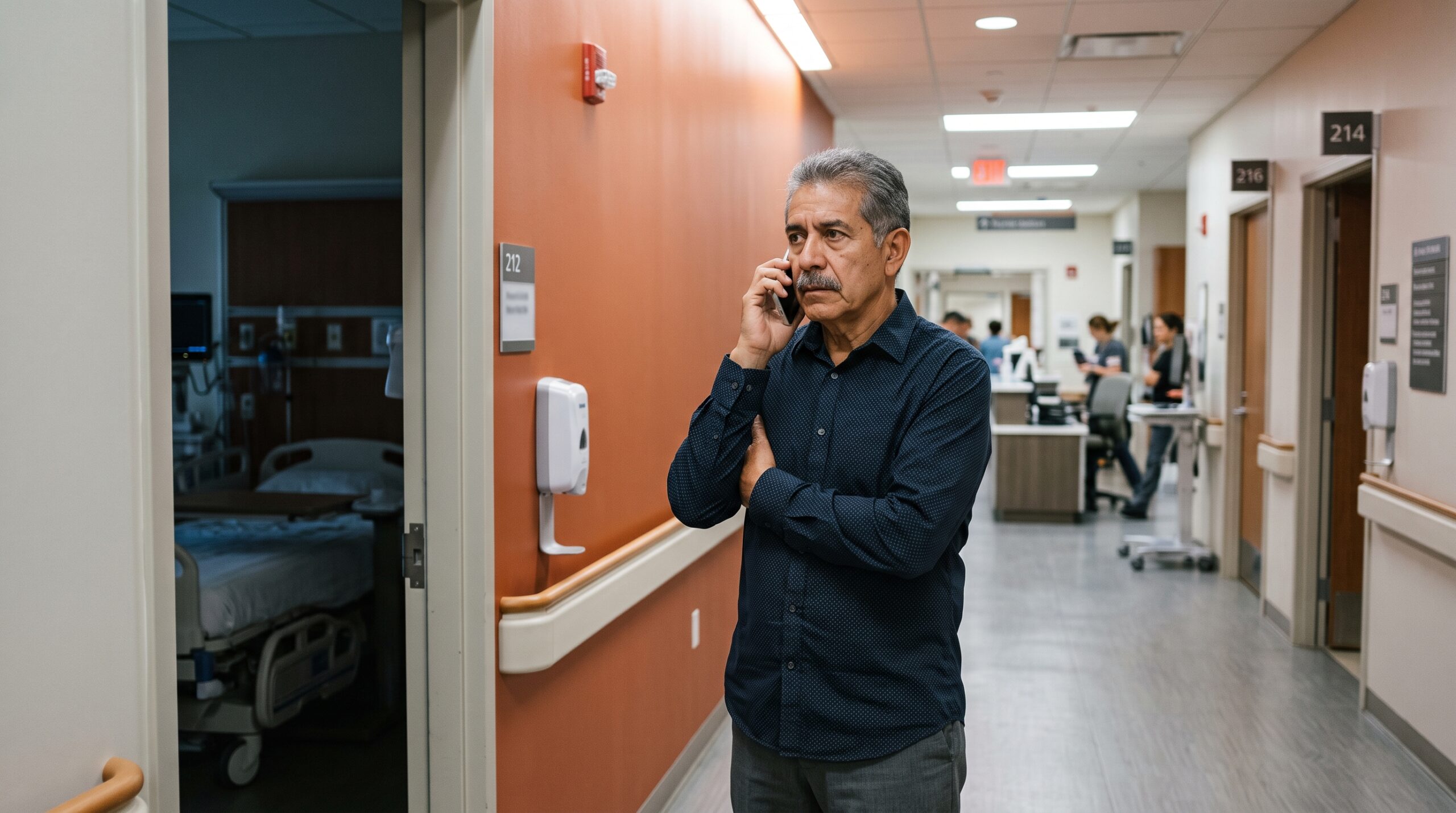
Ask the question directly and in those words: “Am I admitted as an inpatient, or am I under observation?” Hospital staff are required to know the answer and should be able to tell you on the spot. If the answer is observation and a SNF stay looks likely, ask the attending physician whether a formal inpatient admission order is medically appropriate. A status change made while the patient is still in the hospital can still help; one made after discharge cannot.
For the broader mechanics of Medicare’s 3-day rule once a nursing home stay is already on the table, see this companion article. And if Medicare denies the claim anyway, its own fast-appeal process for a hospital discharge, covered in this separate guide, has to start before you leave the building, not after.
A related but different Medicare line applies if a stroke or heart attack leads to inpatient rehab instead of a nursing home stay: inpatient rehab has its own 3-hour therapy-per-day requirement and no 3-day prior hospital stay rule at all.
The inpatient-vs-observation distinction here runs on a different clock than a second hospital stay: a readmission inside 60 days usually falls in the same Part A benefit period, so no new deductible applies even if the first stay was billed as inpatient admission.
Frequently asked questions
Can a hospital change my status from observation to inpatient after the fact?
Generally no. A status change has to happen while you are still a patient there, ordered by the attending physician, and documented in the chart before discharge. Once you’ve left the hospital, the billing status for that stay is locked in, which is exactly why asking the question on day one matters more than disputing it afterward.
Does the MOON notice itself get me SNF coverage?
No. The MOON notice only tells you that you’re under observation and why, and it does not change your billing status or trigger SNF coverage on its own. It exists so you know early enough to ask for a reclassification or plan around the cost, not as a form you can appeal your way around.
What if I was under observation at one hospital and then transferred to another?
Only consecutive inpatient days count, and they generally have to happen at a participating hospital or critical access hospital under 42 CFR 409.30. A transfer between facilities can still count if both stays were formally inpatient, but observation time at either hospital never counts toward the 3 days, regardless of which facility it happened at.
Does Medicare Advantage follow the same 3-day rule?
Medicare Advantage plans aren’t bound by the traditional Part A 3-day rule the same way, and many have waived it entirely for their own SNF coverage. Check your specific plan’s Evidence of Coverage document rather than assuming Original Medicare’s rule applies.
Is there any way to get the SNF stay covered after the fact if no one caught the observation status in time?
Ask the hospital’s utilization review or case management department whether a retroactive status change is possible before you accept the SNF bill as final, and file a fast appeal with your state’s Beneficiary and Family Centered Care Quality Improvement Organization if you believe the observation classification itself was wrong.





Leave a Reply