

6 min read · Last updated July 17, 2026
- Adoption is a qualifying life event. Add the child to your health plan within the window, about 30 days on an employer plan and 60 days on the Marketplace.
- FMLA covers adoption leave, up to 12 weeks, exactly the same as it covers a birth. You do not have to give birth to qualify.
- The federal adoption tax credit can offset thousands in qualified adoption expenses. Keep every receipt from day one.
- Children adopted from foster care often qualify for adoption assistance and Medicaid regardless of the adoptive family’s income.
In this article
- The first days after placement
- The protections and credits adoption activates
- The mistakes that cost adoptive parents
- What to do by day 30, 60, and 90
- Frequently asked questions
The placement agency called on a Tuesday, and by Friday a three-year-old was living in your home. There was no nine-month runway to prepare. The deadlines that follow a birth apply to you now too, and one of them, the health-coverage window, can close in as little as 30 days. The first month decides whether the coverage, the leave, and the tax credit land where they should.
Here is the order to work in.
The first days after placement
Three tasks come first, and two of them are on a clock.
First, add the child to your health insurance. Adoption or placement for adoption is a qualifying life event, which opens a special window to add a dependent outside of open enrollment. On most employer plans that window is about 30 days from placement; on a Marketplace plan it is 60 days. Coverage generally backdates to the placement date. If your plan is through the Marketplace, begin at the HealthCare.gov special enrollment page. If it is through work, call HR the same week, because the employer window is the shorter one.
Second, file for FMLA leave. The federal Family and Medical Leave Act covers adoption. An eligible employee can take up to 12 weeks of job-protected leave to bond with a newly placed child, the same as for a birth. You do not have to give birth to qualify. Read what FMLA covers at the USA.gov family leave page and give your employer notice in writing.
Third, start the Social Security number process. If the child does not yet have an SSN, or you need to change the name on record, you will need it for taxes, insurance, and the adoption tax credit. The federal overview is at the USA.gov Social Security card page.
The protections and credits adoption activates
Adoption opens financial doors that are easy to leave shut in the rush of a new child.
The federal adoption tax credit. This credit can offset thousands of dollars in qualified adoption expenses, such as agency fees, court costs, and attorney fees. The rules, the annual limit, and what counts as a qualified expense are set out by the IRS in Topic 607. The single most important habit starts now: keep every receipt and every invoice from the adoption in one folder. You cannot claim what you cannot document.
Adoption assistance and Medicaid for foster adoptions. A child adopted from foster care often qualifies for an adoption assistance agreement and Medicaid, frequently regardless of the adoptive family’s income. This is one of the most overlooked supports in the whole process. Check your state program through the USA.gov Medicaid page, and read the overview of post-adoption supports from the Child Welfare Information Gateway.
FMLA job protection. Beyond time off, FMLA protects your job and your group health coverage during the leave. Your employer must return you to the same or an equivalent role. That protection is only yours if you file, so put the request in writing early.
The mistakes that cost adoptive parents
Here is where a caseworker steps in with the three that cost the most.
Missing the add-a-child window. The employer enrollment window can be as short as 30 days, and it is easy to let it slip while you settle a new child into the home. Miss it and you may wait until the next open enrollment for coverage. Put the deadline on a phone alarm the day of placement.
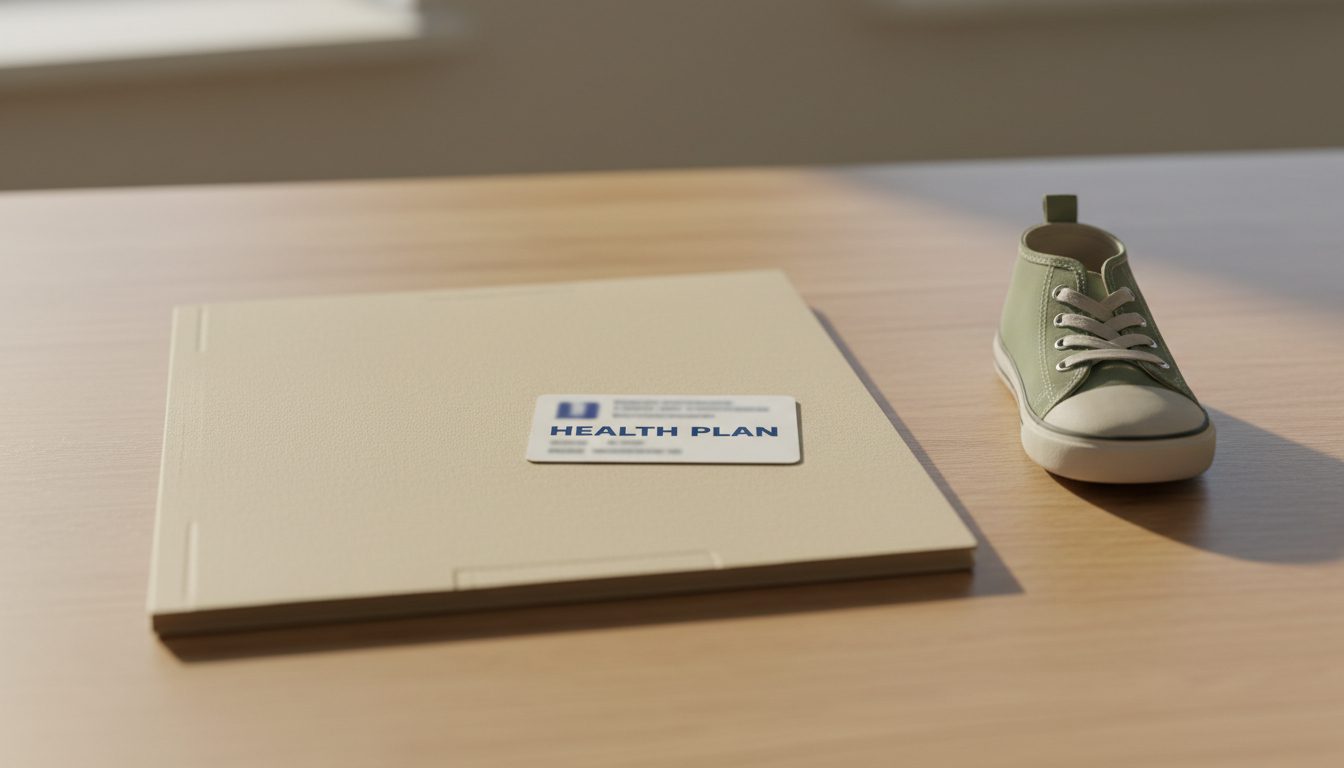
Skipping FMLA because you think it is birth-only. Many adoptive parents never file, believing the leave is only for parents who gave birth. It is not. FMLA covers adoption and placement the same way. Filing is what turns the leave from a favor into a protected right.
Forgetting the adoption tax credit. The credit is worth thousands, but only if you kept the documentation. Parents who did not save receipts lose the benefit at tax time. Start the receipt folder on day one, before the paperwork scatters.
What to do by day 30, 60, and 90
By day 30, add the child to your health plan and confirm the backdated effective date in writing. File your FMLA request with your employer, and start the SSN process. Open a folder for every adoption expense receipt.
By day 60, confirm your FMLA leave dates and job-protection terms in writing. If you adopted from foster care, apply for adoption assistance and Medicaid. Verify the child’s SSN has been issued or updated.
By day 90, confirm all coverage is active and correctly dated, gather your adoption expense records for tax time, and check whether your state offers a state-level adoption credit on top of the federal one.
This assumes the adoption is already finalized. If you are still in a foster placement moving toward adoption, Foster Placement Day One covers the different benefits line that applies before finalization.
| First-30-day deadline | The window | If you miss it |
|---|---|---|
| Add child to health insurance | About 30 days (employer) or 60 days (Marketplace) from placement | You may wait until the next open enrollment for coverage |
| File FMLA leave | Give notice as soon as possible after placement | You can lose job-protected bonding time you were entitled to |
| Start the Social Security number | In the first weeks after placement | Tax filing, insurance, and the tax credit get delayed |
| Document adoption expenses for the tax credit | From day one, every receipt | You lose credit dollars you cannot document at tax time |
| Best for | Any family with a newly placed adopted child | The first 30 days, while every window is still open |
For the wider set of documents and deadlines that follow a new child in the home, see our guide to the first 30 days of newborn deadlines.
Frequently asked questions
How long do I have to add my adopted child to my insurance? On most employer plans, the special enrollment window is about 30 days from placement; on a Marketplace plan it is 60 days. Coverage generally backdates to the placement date. The employer window is the shorter one, so call HR the same week you take placement.
Does FMLA cover adoption, or only birth? FMLA covers adoption and placement for adoption the same as a birth. An eligible employee can take up to 12 weeks of job-protected leave to bond with the child. You do not have to give birth to qualify. File the request in writing with your employer.
What is the adoption tax credit worth? The federal adoption tax credit can offset thousands of dollars in qualified adoption expenses such as agency fees, court costs, and attorney fees. The annual limit and qualifying rules are set by the IRS. The credit depends on documentation, so keep every receipt from the start.
We adopted from foster care. Does the child get Medicaid? Often, yes. A child adopted from foster care frequently qualifies for an adoption assistance agreement and Medicaid, in many cases regardless of the adoptive family’s income. Ask your caseworker and check your state program, because many eligible families never apply.
What is the very first thing to handle after placement? Add the child to your health insurance. That window can close in as little as 30 days on an employer plan, faster than any other deadline. Put it on a phone alarm the day of placement, then file FMLA and start the SSN process.





Leave a Reply