

Starting with no credit history feels like a catch-22 that has no way out. Lenders want to see a track record before they extend credit, but you need credit accounts to build that track record in the first place. The good news is that this problem has a clear and well-established solution. Several products and strategies exist specifically to help people build credit responsibly from an absolute zero starting point.
Why Credit History Matters
Your credit history tells lenders how reliably you pay back money you owe over time. Banks, landlords, and even some employers review your credit report before making decisions about you. A strong credit profile opens doors to lower interest rates, better apartment approvals, and more favorable loan terms. Building credit early in life gives you more financial flexibility and more options throughout your adult years.
The three major credit bureaus are Equifax, Experian, and TransUnion. They collect payment data reported by lenders and use it to calculate your credit scores. FICO scores and VantageScores are the two most common scoring models used by lenders and landlords. Both models reward consistent on-time payment behavior above all other factors in their calculations.
Start With a Secured Credit Card
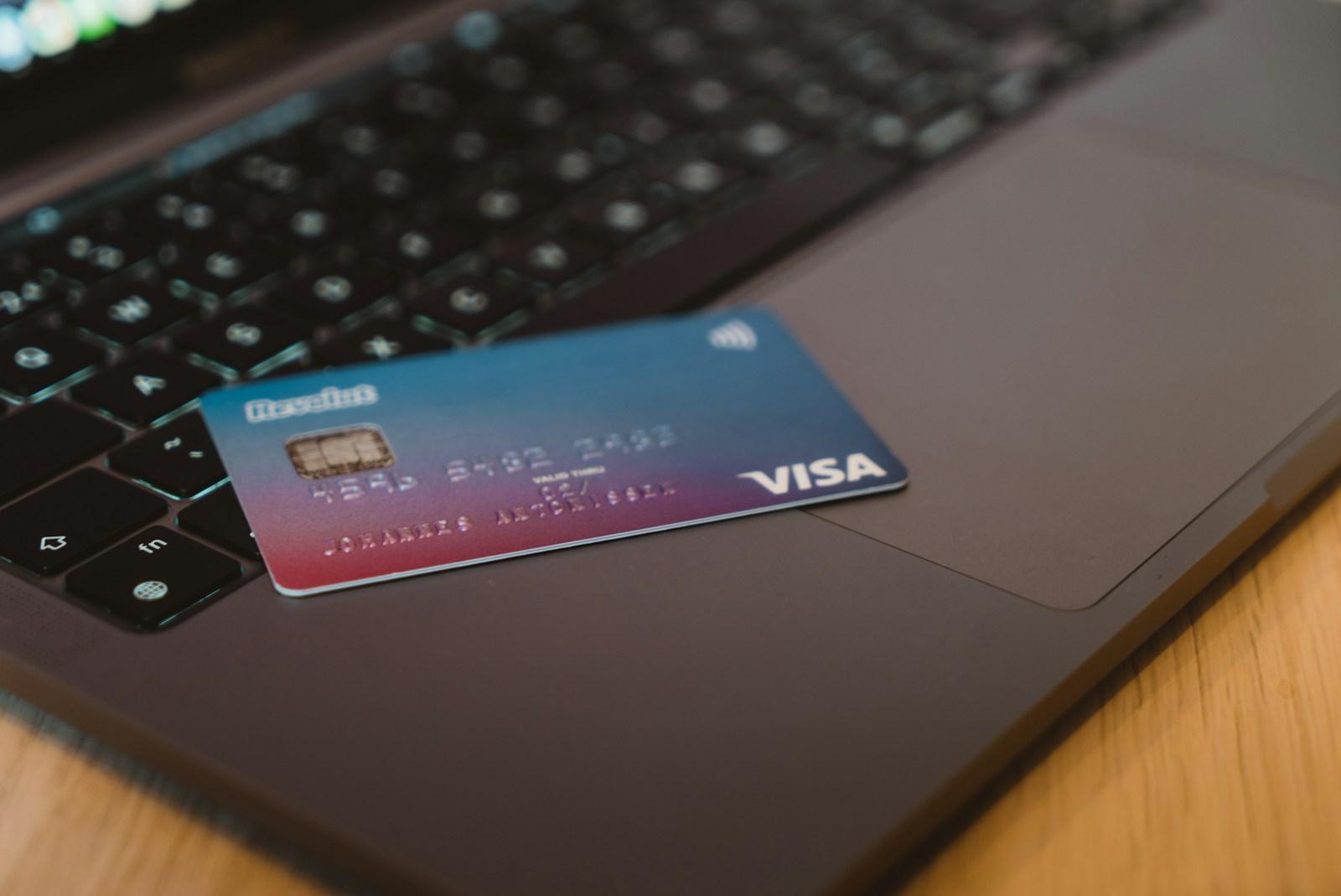
A secured credit card is the most accessible and reliable tool for building credit from a zero starting point. You deposit money upfront as collateral, and that deposit becomes your credit limit for the account. The card works just like a regular credit card for making purchases and monthly payments. The lender reports your payment activity to the three credit bureaus every month, which builds your history steadily.
The key is to use the card for small purchases and pay the full balance every single month on time. Carrying a balance from month to month charges you interest and can hurt the score you are trying to build. A $200 secured card used for one small recurring bill and paid in full is all you need to get started. After 6 to 12 months of on-time payments, many issuers upgrade you to an unsecured card and return your deposit in full.
Use a Credit Builder Loan
Credit builder loans are offered by many credit unions, community banks, and online lenders. You make fixed monthly payments toward a small loan amount, and the lender holds the funds in a savings account until you finish paying. Once you complete all payments, you receive the money and have a positive payment record established on your credit report. These loans typically range from $300 to $1,000 and run from 6 to 24 months depending on the lender.
Self, Inc. and many local credit unions offer credit builder products with no hard credit inquiry required to apply. The monthly payments are usually between $25 and $50, making them manageable on almost any budget. The goal is not the money you receive at the end but the payment history you build along the way. Look specifically for options with no hard inquiry so the application itself does not affect your score.
Become an Authorized User
Ask a family member or trusted friend with strong credit to add you as an authorized user on their credit card. Their positive payment history on that account gets reported to your credit file as if it were your own. You do not even need to use the card for this strategy to benefit your score. The primary account holder remains fully responsible for any balance, and you benefit from their established history.
This strategy works best when the primary cardholder has a long record of on-time payments and low balances relative to their limit. A card with a very high balance can actually hurt your score even as an authorized user, so ask before assuming. Make sure the person you ask manages their account responsibly before agreeing to this arrangement.
Monitor Your Progress and Protect Your Score
Check your credit reports for free at annualcreditreport.com at least once per year to look for errors. Look for unfamiliar accounts, incorrect personal information, or payments reported late that you made on time. Disputes can be filed directly with each of the three credit bureaus at no cost using their online portals. Catching errors early prevents small mistakes from damaging your score for months or years at a time.
Understanding your credit utilization rate is one of the most important skills to develop once you have an open account. Keeping that number low is one of the fastest and most reliable ways to improve your score month over month without applying for anything new.A solid monthly budget plan helps you stay on top of payments and avoid carrying balances that slow your credit-building progress. Start with one tool, use it with consistency, and let time and positive habits do the rest.




Leave a Reply