

8 min read · Last updated September 11, 2026
- Short-term disability insurance and job-protected leave are two separate systems: the Family and Medical Leave Act (FMLA) holds your job open for up to 12 workweeks, unpaid, while a separate disability claim is what actually pays you, and neither one files the other’s paperwork for you.
- A widely used duration convention, drawn from California’s own state disability insurance program, covers up to 6 weeks after an uncomplicated vaginal delivery and up to 8 weeks after a cesarean section, plus up to 4 weeks before the due date if a doctor certifies it.
- Short-term disability replaces a percentage of wages, not all of it. California’s program pays 70 to 90 percent depending on income, and private employer plans set their own percentage, so check your certificate of coverage before you count on a number.
- The claim is yours to file, not your employer’s or your doctor’s office alone. Renata filed hers three days after leaving the hospital; every plan sets its own filing window, and it starts counting from the date you stop working, not from when you get around to the paperwork.
Short-term disability insurance can replace a portion of a paycheck, 70 to 90 percent under California’s program, for roughly 6 weeks after a vaginal delivery or 8 weeks after a cesarean section, separately from the 12 weeks of unpaid job protection the Family and Medical Leave Act provides, and the worker, not the employer, has to file the claim.
In this article
- The first days after delivery
- What short-term disability actually pays
- The six-week, eight-week convention
- The mistake that costs a paycheck
- What to do at 30, 60, and 90 days
- Frequently asked questions
Renata went back to her laptop seven weeks after a vaginal delivery, and the paycheck that had covered six of those weeks came from a disability insurance claim she filed herself, three days after leaving the hospital, because nobody in her employer’s human resources (HR) office was going to open it for her. Her manager had already approved twelve weeks of leave under the Family and Medical Leave Act (FMLA), the federal law that holds a job open, unpaid, for up to 12 workweeks after a birth, as implemented in the U.S. Department of Labor’s regulation at Title 29, section 825.100 of the Code of Federal Regulations. That approval had nothing to do with whether she got paid.
The first days after delivery
Job-protected leave and income-replacement insurance are handled by different offices, running on different paperwork, and confusing the two is what leaves people unpaid for weeks they assumed were covered.
FMLA guarantees the job. It says nothing about wages. Some employers also offer short-term disability (STD) insurance, a policy that pays a portion of normal wages while a doctor certifies that a worker cannot do their job, and a handful of states run their own mandatory disability insurance program on top of, or instead of, an employer plan. California’s is one of the largest and best documented, run by the state’s Employment Development Department (EDD).
In the first days after delivery, get two things in writing from the hospital or your doctor’s office: the date your provider considers you unable to work, and how long they expect that to last. That date is what your disability claim measures from, not the date you get around to filing it. Then find your short-term disability certificate of coverage, either through your employer’s benefits portal or your state’s disability insurance program, and confirm it applies to childbirth recovery specifically. Most plans do.
What short-term disability actually pays
Short-term disability is not a full paycheck. California’s program, one of the most transparent about its own formula, pays a Weekly Benefit Amount equal to 70 to 90 percent of wages earned five to eighteen months before the claim starts, with lower earners receiving the higher percentage, up to a set maximum (EDD, Disability Insurance Benefit Payment Amounts).
Say a worker earns $1,000 a week before delivery. At a 70 percent rate, the disability check comes to $700 a week. At 90 percent, it is $900. Either way, it is less than the paycheck it replaces, and the exact percentage depends on the worker’s income and the state or employer plan involved. Private employer STD plans set their own percentage and their own wage cap, and that number is printed in the plan’s certificate of coverage, not guessed at. Do not assume a state program’s formula applies to an employer plan, or the other way around.
The six-week, eight-week convention
The duration question has a widely used answer, though it is not a federal rule and it is not universal across every insurer. California’s EDD, whose guidance is one of the most detailed public sources on this because the state runs its own mandatory program, states that without medical complications a worker can receive benefits up to four weeks before the estimated delivery date and up to six weeks after delivery for a vaginal birth, or up to eight weeks after delivery for a cesarean section (EDD, Disability Insurance – Pregnancy FAQs). A licensed health professional can certify longer if there are complications.
That six-week, eight-week split shows up across many private disability plans too, not just California’s program, because it tracks the standard recovery window recognized in obstetric practice for an uncomplicated delivery versus major abdominal surgery. It is a convention, not a guarantee. Some employer plans pay less, some pay the same window at a lower percentage, and a plan document controls over any general rule of thumb. Read the actual certificate of coverage before counting on a specific week count.
The mistake that costs a paycheck
This is the mistake that costs people money they would have otherwise received: assuming that because HR approved the leave, someone also started the disability claim. Nobody did. Job-protected leave and disability pay are separate applications, filed with separate offices, on separate timelines, and approval of one is not a trigger for the other.
California’s EDD is explicit that the claim is the worker’s own to open, through an online account or by mail, once a doctor certifies the disability. Private employer STD plans work the same way. HR can confirm a policy exists and hand over the paperwork, but confirming coverage is not the same as filing a claim, and most plans measure their filing window in days, not months, counted from the date work stopped rather than from whenever the paperwork gets turned in. Every plan sets its own window, so the certificate of coverage, not a general assumption, is what tells a worker how much time they actually have.
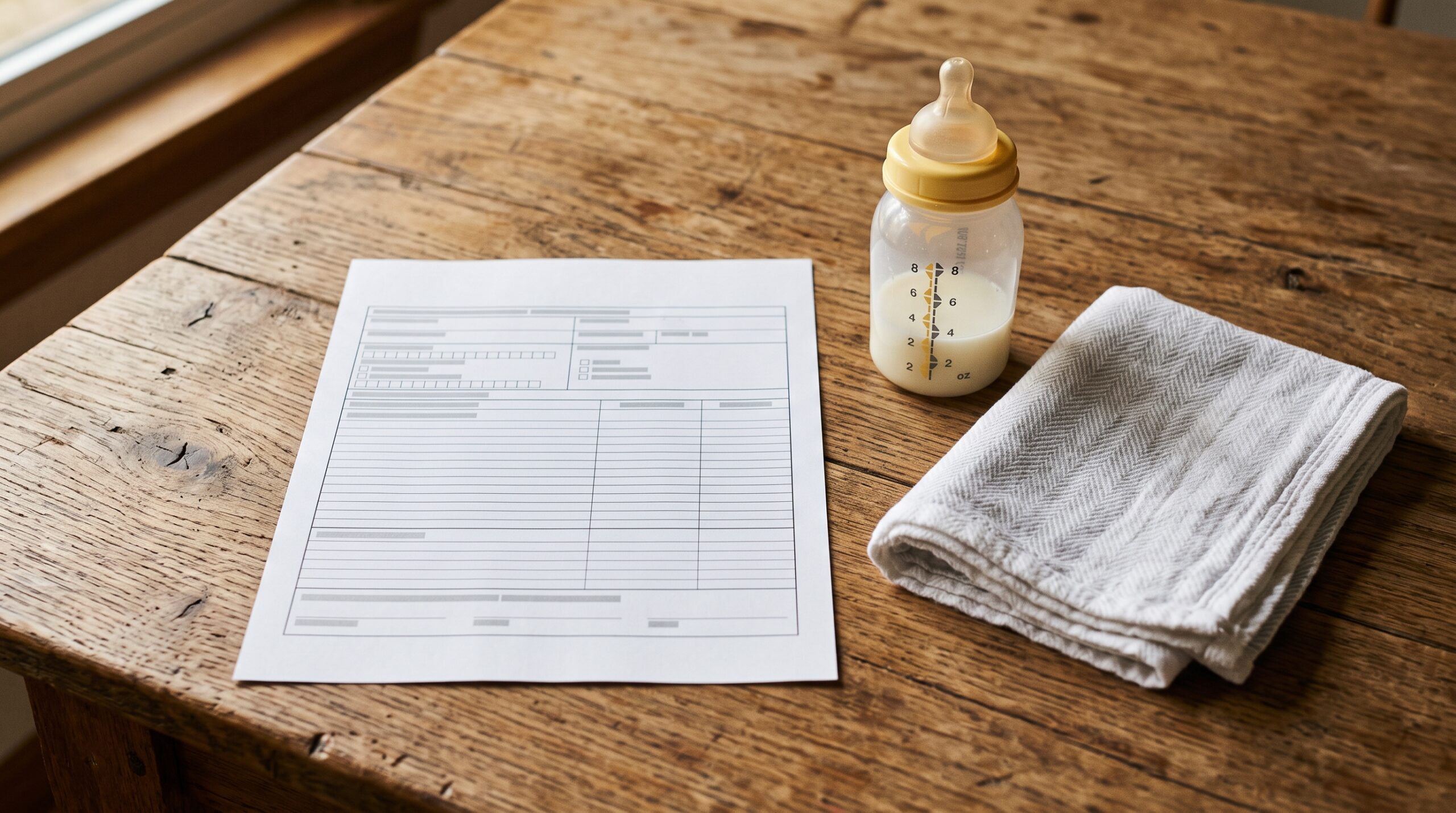
The same clock problem applies to the job-protection side. FMLA leave does not pay a worker anything on its own, and treating the two tracks as one approval is exactly how a worker ends up with a job to come back to and several unpaid weeks behind them.
What to do at 30, 60, and 90 days
By day 30: confirm the disability claim was actually filed, not just discussed with HR, and check the first payment landed at the percentage the certificate of coverage promised. If a state program and an employer plan both apply, confirm which one pays first, since running both blind can create an overpayment that has to be paid back later.
By day 60: if the standard duration window is ending and recovery is not complete, ask the certifying provider whether a complication extension applies before the current authorization runs out, not after. A gap in certification can pause payments even when the underlying disability has not changed. This is also the point in the first 30 days after a newborn sequence where other deadlines, like newborn enrollment windows, have already closed, so it is worth a broader check, not just a disability-claim check.
By day 90: confirm the return-to-work date on file with both HR and the disability plan matches the actual plan, since a mismatch between the two systems is what produces a final paycheck that is short or delayed.
Frequently asked questions
Does short-term disability pay my full paycheck during childbirth recovery? No. Disability insurance replaces a percentage of wages, not all of them. California’s state program pays 70 to 90 percent depending on income, and private employer plans set their own percentage, often lower. Check the certificate of coverage for the exact number rather than assuming full pay.
How many weeks does short-term disability cover after a vaginal delivery versus a cesarean section? A widely used convention, drawn from California’s state disability program, allows up to 6 weeks after an uncomplicated vaginal delivery and up to 8 weeks after a cesarean section, plus up to 4 weeks before delivery if medically certified. Individual plans can differ, so confirm the actual policy document.
Do I still get 12 weeks of job-protected leave even if disability pay only covers six or eight of them? Generally, yes. Job protection under the Family and Medical Leave Act runs separately from disability pay and covers up to 12 workweeks regardless of how many weeks a disability claim pays for. The two run on different eligibility rules, so confirm both separately rather than assuming one covers the other.
Who is responsible for filing the short-term disability claim, me or my employer? The worker files it, typically once a doctor certifies the disability. Employers can confirm a policy exists and provide the paperwork, but confirming coverage is not the same as opening a claim. Most plans set a short filing window measured from the date work stopped, not from when the paperwork is turned in.
Can short-term disability and job-protected leave apply at the same time? Yes, they commonly overlap rather than run one after the other, since one pays a percentage of wages and the other protects the job itself. The exact interaction depends on the employer’s plan and any state program involved, so confirm both applications separately instead of assuming either one automatically covers the other.




Leave a Reply