
8 min read · Last updated September 2, 2026
- Under California Probate Code Section 811(d), a diagnosis alone, dementia included, is not legally sufficient to prove someone lacks capacity. Capacity is judged decision by decision, not by a medical label.
- Adult Protective Services (APS), the state agency that investigates elder abuse and neglect, usually cannot override a competent adult’s refusal. In Texas, Human Resources Code Section 48.203(d) says that once an elderly person refuses voluntary services, those services legally cannot be provided, and APS’s only path around that refusal is a court emergency order under Section 48.208.
- California requires the proposed conservatee to be served notice at least 15 days before the hearing, plus a mandatory court investigator interview and, where relevant, a caseworker report, before a judge decides anything.
- A supported decision-making agreement, available under laws like Texas Estates Code Chapter 1357, lets a trusted person help your parent understand and communicate decisions without taking away their legal authority, and courts are required to consider it before ordering full guardianship.
In this article
- The moment it happened
- What the next 24 hours require
- What actually activates a capacity evaluation
- The mistake that costs families months
- The 30, 60, and 90 day sequence
- Frequently asked questions
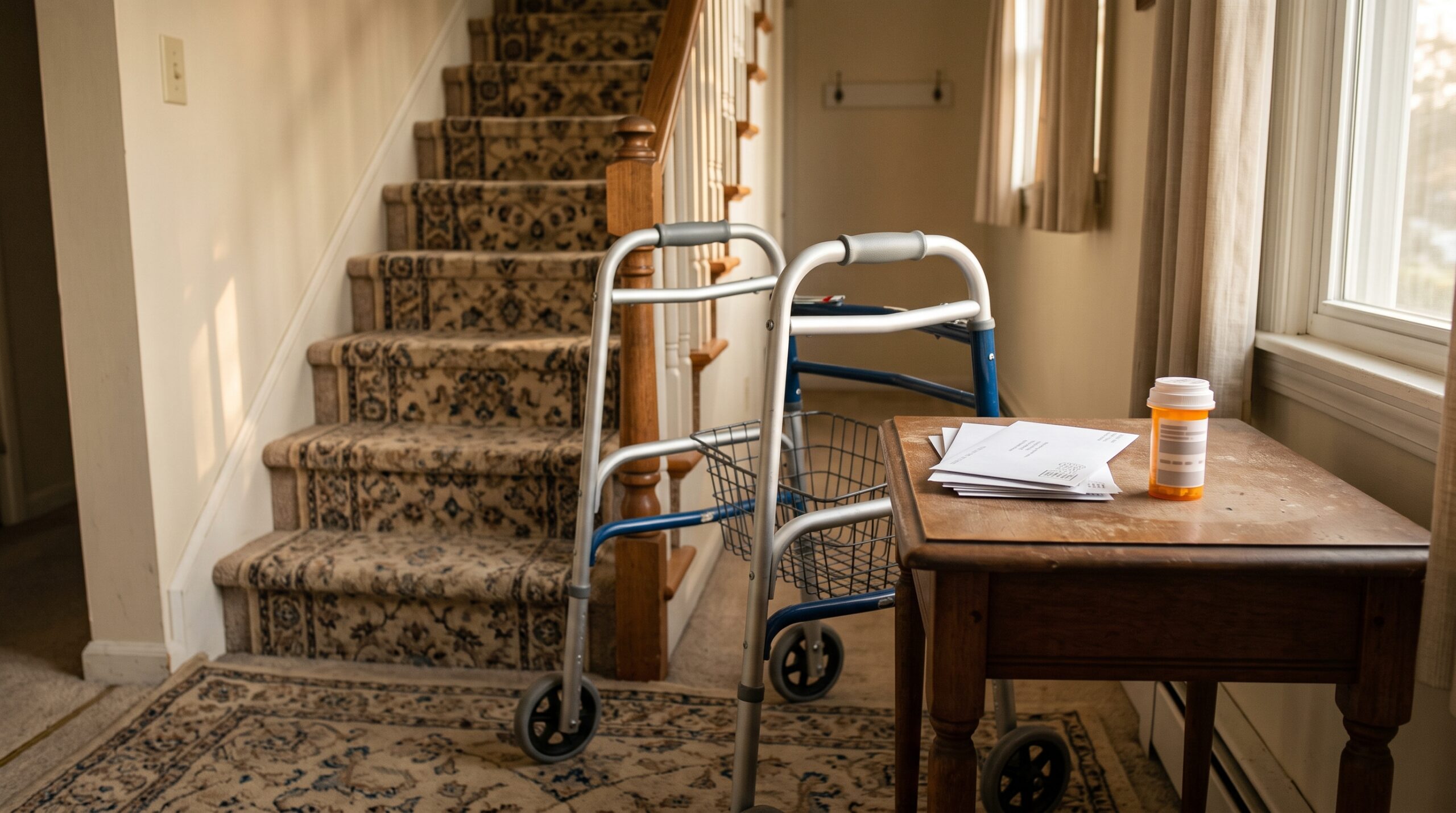
Marcus’s father fell in his kitchen for the third time this year, refused an ambulance both times he could still get up on his own, and told Marcus flatly that he was not moving into memory care or accepting a home aide.
The moment it happened
A parent’s refusal doesn’t automatically hand anyone else legal authority to override it, even after a fall, even after a diagnosis, even when everyone in the family agrees the situation is unsafe. Capacity is a legal standard, not a medical one, and it’s decision-specific rather than global. California Probate Code Section 811 requires a real, documented deficit in specific mental functions, connected directly to the specific decision at issue, before a court can find someone incapacitated, and the statute says explicitly that a diagnosis by itself doesn’t satisfy that standard.
What the next 24 hours require
Call the Eldercare Locator at 800-677-1116, weekdays 8am to 9pm ET, and ask to be connected to the Area Agency on Aging in your parent’s county, not yours if you live elsewhere. Start a dated, specific log today: the fall, the refused ambulance, missed medications, unopened bills, anything concrete with a date attached, the same kind of documentation Adult Protective Services itself would need to open a case. Locate any durable power of attorney or healthcare directive your parent may have already signed. If one exists and the named agent is acting properly, a full guardianship may not even be necessary. Call your parent’s physician; without a Health Insurance Portability and Accountability Act (HIPAA) authorization already on file, the doctor generally cannot share information back with you, but you can still give them information about what you’ve observed.
What actually activates a capacity evaluation
Standing to request a capacity evaluation or file for guardianship is broader than most families assume. California Probate Code Section 1820 allows the proposed conservatee’s spouse, a relative, a public officer, or “any other interested person or friend” to file. Florida Statute Section 744.3201 is even more direct: “a petition to determine incapacity of a person may be executed by an adult person,” no family relationship required.
Adult Protective Services has real investigative authority, but not the authority to override a competent adult on its own. Texas Human Resources Code Section 48.203(d) states that once an elderly person withdraws from or refuses voluntary protective services, those services legally cannot be provided. The only path around that refusal is Section 48.208, an emergency order for protective services, which a court will grant only where the person genuinely lacks the capacity to understand what’s being offered, backed by a signed medical or psychological report. Absent that court order, a refusal stands.
Once a petition is actually filed, the process has real structure and real timelines. In California, the proposed conservatee must be served notice at least 15 days before the hearing. A court investigator, a county employee or social worker, is required to interview both the person who filed and the proposed conservatee before the hearing, and the person has a right to their own attorney and the right to contest the case entirely. In practice, from filing to hearing typically runs four to eight weeks or longer once investigator scheduling and any required caseworker reports are factored in, and longer still if the case is contested.
| Factor | California | Florida | Texas |
|---|---|---|---|
| Who can file a petition | Spouse, relative, or “any other interested person or friend” (Prob. Code 1820) | “An adult person” (Fla. Stat. 744.3201) | Family, APS, or other interested parties per county probate rules |
| Notice required before hearing | At least 15 days (Prob. Code 1824) | Set by local court rule | Set by local court rule |
| Can APS override a refusal on its own | No, requires a court order | No, requires a court order | No; requires an emergency court order under Human Resources Code 48.208 |
| Less-restrictive alternative available | Limited conservatorship, existing power of attorney | Limited guardianship | Supported decision-making agreement (Estates Code Ch. 1357) |

If the court hears the case and finds the person still has capacity, nothing changes legally. No guardian is appointed, and the person keeps full authority over their own medical and financial decisions, including the right to make choices about their safety that others in the family disagree with.
The mistake that costs families months
This is the mistake that delays real help the longest: assuming a diagnosis alone is enough to justify filing for full guardianship, then discovering in court that it isn’t, and starting over. Elder law attorneys and self-help court guides both point families toward less-restrictive alternatives first, not as a formality but because judges are required to consider them before granting a full conservatorship. A durable power of attorney already on file, a healthcare surrogate designation, or a supported decision-making agreement, which lets a trusted person help a parent understand and communicate a decision without taking legal authority away from them, can resolve the actual safety concern without the cost, time, or family strain of a contested guardianship case.
The 30, 60, and 90 day sequence
In the first 30 days, build the record: the dated incident log, the Area Agency on Aging contact, and a clear answer on whether a power of attorney already exists. If your parent’s own physician confirms genuine safety risk and no less-restrictive option is realistic, consult an elder law attorney around this point about whether a limited conservatorship, not a full one, fits the actual situation. By 60 days, if a petition is filed, expect the court investigator’s interview and, in states that require one, a caseworker report to be underway. By 90 days, expect a hearing date, assuming no contest delays it further, and a specific outcome: either the court finds incapacity and grants an appropriately limited order, or it finds capacity intact and the case ends with your parent’s full legal authority unchanged.
If your parent has already been diagnosed and the family is weighing power of attorney against a full guardianship filing, the capacity window that opens right after a diagnosis covers that decision in more detail. And if your parent has already moved in with you rather than refusing help outright, the first 30 days after a parent moves in walks through a different, related set of deadlines.
Frequently asked questions
Can Adult Protective Services force my parent into care against their will? Generally, no. If your parent refuses voluntary protective services, APS legally cannot provide them, per statutes like Texas Human Resources Code Section 48.203(d). The only exception is a court-ordered emergency intervention, which requires a judge to find the person genuinely lacks capacity to understand what’s being offered, backed by a medical or psychological report.
Does a dementia diagnosis automatically mean my parent needs a guardian? No. Capacity law, including California Probate Code Section 811, requires a documented deficit tied to the specific decision at issue, and explicitly states that a diagnosis alone doesn’t meet that standard. Many people with a dementia diagnosis still retain capacity for most or all of their own decisions, especially early on.
Who can actually file a petition for a capacity evaluation? It’s broader than immediate family. California allows a spouse, relative, or “any other interested person or friend” to file. Florida allows any adult to file, with no family relationship required at all. A concerned neighbor, a treating physician, or Adult Protective Services can all have standing depending on the state.
What happens if the court decides my parent still has capacity? Legally, nothing changes. No guardian or conservator is appointed, and your parent keeps full authority over their own medical, financial, and living decisions, including choices about safety that the rest of the family may not agree with.
Is there something less drastic than full guardianship? Often, yes. A durable power of attorney, a healthcare directive already on file, or a supported decision-making agreement, available in states like Texas under Estates Code Chapter 1357, can let a trusted person help your parent without taking their legal authority away. Courts are generally required to consider these options before granting a full guardianship.





Leave a Reply