
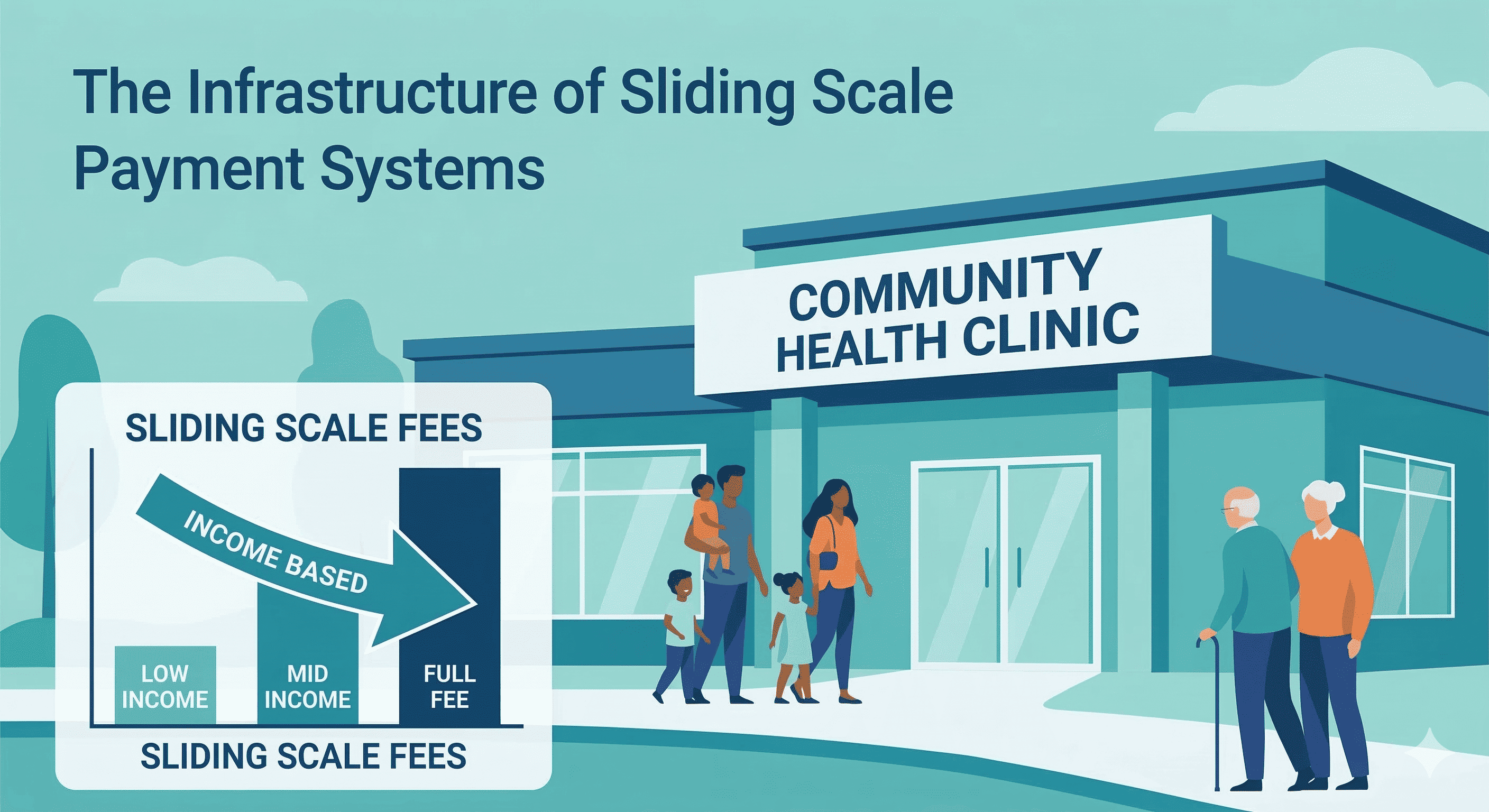
Community Health Centers serve as the primary medical safety net for millions of individuals across the United States today. These facilities operate under a specific federal mandate to provide care regardless of a patient’s ability to pay now. The core of this system is the sliding fee discount program which scales costs based on household finances. This policy brief explores the data, regulations, and structures that govern these essential medical payment models for families. Understanding the technical side of this care helps clarify why these clinics remain a stable resource for many. The system is designed to remove the financial barriers that often prevent people from seeking necessary medical treatment. Every federally funded clinic must follow strict guidelines to ensure that their pricing is fair and completely transparent.
Regulatory Framework and Federal Poverty Level Integration
The Health Resources and Services Administration sets the specific rules for how clinics must calculate their discounted rates. These centers must use the most current Federal Poverty Level guidelines to determine the eligibility of every patient. Families earning less than one hundred percent of the poverty level typically pay a very small nominal fee. Patients with incomes between one hundred and two hundred percent receive a partial discount based on their earnings. This structure ensures that as your income increases, you contribute a fair share toward your medical costs. Clinics are required to update these specific fee schedules every year to reflect new federal economic data releases.
These regulations apply to all Federally Qualified Health Centers and also to most Rural Health Clinics in the country. To maintain their federal funding, these centers must prove they are serving a high-need or underserved population today. They are also required to have a board of directors that includes actual patients from the local community. This unique governance model ensures that the clinic remains focused on the true needs of the people it serves. The goal is to provide a sustainable medical home that offers high-quality care to every single local resident. This federal oversight guarantees a high level of accountability and professional standards for all medical and dental services.
Scope of Services and Administrative Requirements
The federal government requires these centers to provide a comprehensive range of primary and preventive health care services. This includes diagnostic laboratory work, prenatal care, and even the management of complex chronic health conditions for patients. Many centers also integrate behavioral health and substance abuse services into their general primary care models for better outcomes. You will also find that PPO and HMO differences do not limit your access to these specific community-based medical resources. Even patients with private insurance can use these clinics if they are looking for specialized or local care options. The sliding scale discount is applied to the remaining balance after your primary insurance provider pays their portion.
Administratively, clinics must maintain a very simple and accessible application process for their sliding fee discount programs today. They are required to accept various forms of documentation to prove a patient’s current income and family size now. This can include written statements from employers or even self-attestation forms for those who work in informal jobs. The clinic must protect the privacy and the dignity of every patient during the entire financial screening process. These facilities often employ specialized staff members known as eligibility workers to help families navigate these internal systems. Having this dedicated support makes the process much more efficient and less stressful for the average American household.
Data on Patient Demographics and Funding Sources
Community Health Centers currently provide medical homes for one in every eleven people living in the United States. This includes millions of veterans, agricultural workers, and residents of public housing who need reliable healthcare services today. A significant portion of the funding for these clinics comes from the federal Section 330 grant program now. They also receive payments through Medicaid, Medicare, and various private insurance plans to cover their daily operational costs. This diverse funding stream allows them to keep their doors open in both rural and urban areas alike. Without these centers, many communities would have no local access to any form of professional medical care today.
| Funding Source | Average Percentage | Purpose |
| Federal Grants | 18% | Operations and infrastructure for underserved areas. |
| Medicaid | 44% | Reimbursement for services provided to low-income patients. |
| Private Insurance | 10% | Fees from patients with employer-based coverage plans. |
| Other Sources | 28% | State funds, local grants, and patient out-of-pocket fees. |
Export to Sheets
The data shows that these clinics are highly effective at reducing the total cost of emergency room visits. By providing a low-cost alternative for primary care, they save the American healthcare system billions of dollars every year. Patients who use these centers are more likely to receive screenings and vaccines on a regular schedule today. This proactive care leads to better long-term health outcomes for the entire population and the local labor force. The stability of these clinics is a key part of the national strategy for public health and safety. Supporting these facilities is an investment in the overall strength and the resilience of our entire country.
Current Challenges and the Future of Community Medicine
Maintaining a full staff of doctors and nurses is currently the biggest challenge facing many community health centers. There is a growing shortage of medical professionals who are willing to work in high-need or remote areas. Federal programs like the National Health Service Corps help by providing loan forgiveness to doctors who serve here. These clinics are also adopting new technology like telehealth to reach patients who cannot travel to the office. This innovation ensures that even the most isolated residents can still speak with a qualified medical professional today. The future of community medicine depends on continued federal support and a steady pipeline of new healthcare workers.
You should also be aware that these centers are constantly expanding their services to meet modern health challenges. This includes adding more nutrition counseling and healthy lifestyle workshops for the local community to attend for free. Some centers are even opening on-site grocery markets to help patients access fresh and affordable food every week. This holistic view of health recognizes that many factors outside the clinic affect a person’s physical well-being. By addressing these social factors, clinics are helping families build much more stable and healthy lives for themselves. Every data point confirms that the community health center model is a vital part of American life today.




Leave a Reply