

You do not need to pay for credit monitoring. The credit industry has spent years building subscription products around something that is available at no cost through legitimate channels, and most people do not realize how complete the free alternatives actually are. A paid credit monitoring service charging ten to thirty dollars a month rarely offers substantially more protection or visibility than the combination of free tools described here. The five options below are all legitimate, require no credit card to sign up, and together provide more comprehensive credit health coverage than most people think is possible without paying for it.
Where to Check Your Score and Full Credit Report
AnnualCreditReport.com is the only website authorized under federal law to provide your free credit reports from all three major bureaus, Equifax, Experian, and TransUnion. This is where you review the actual content of your credit file, meaning the complete list of accounts, payment history, hard inquiries, and public records that make up your credit profile as lenders see it. Checking all three reports matters because the information each bureau holds is not always identical. Errors, outdated accounts, or fraudulent activity that appears on one bureau’s file sometimes does not show up on another, which means reviewing only one report gives you an incomplete picture of what is affecting your creditworthiness.
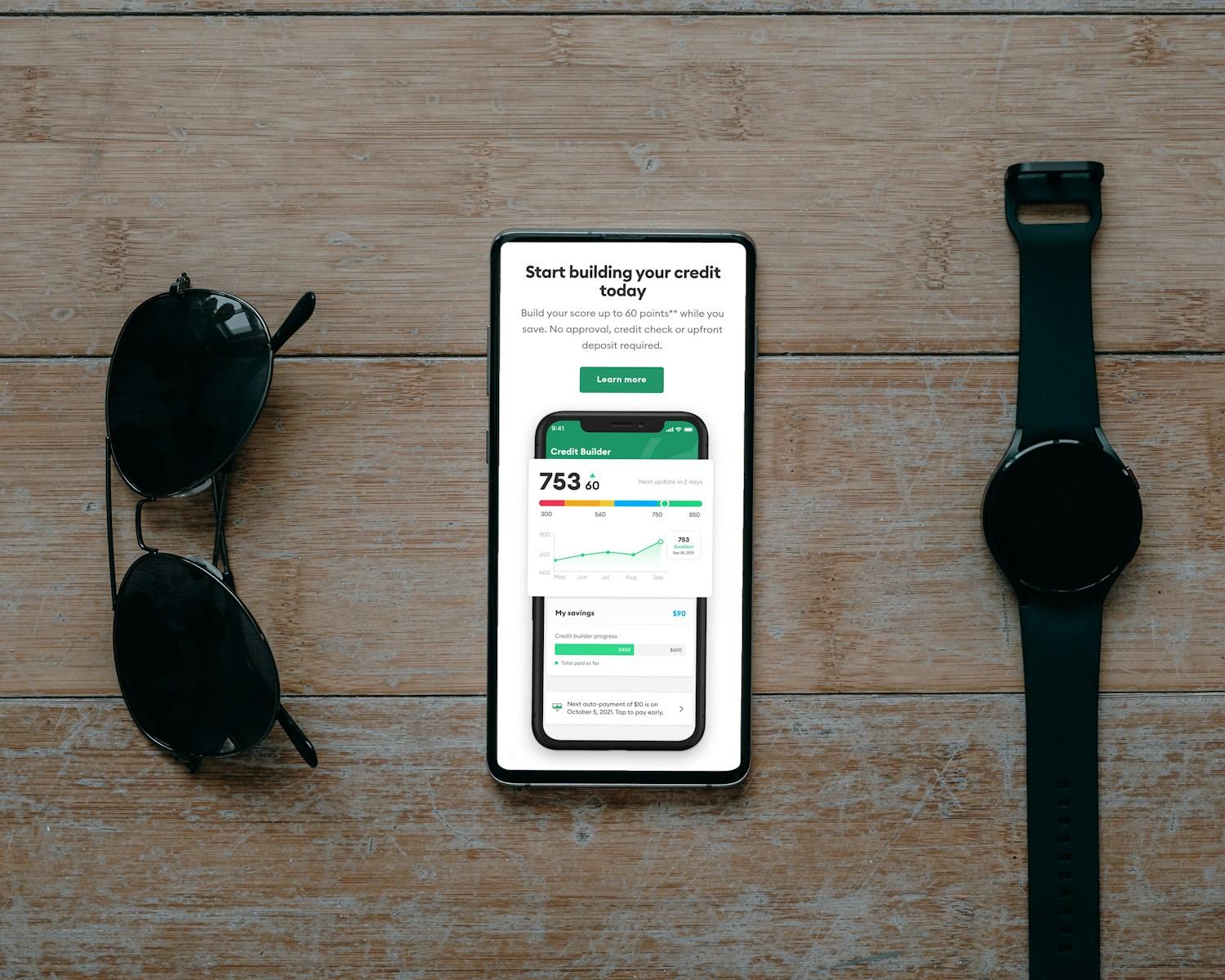
Credit Karma provides free weekly credit scores and full credit report summaries from both TransUnion and Equifax, along with a detailed breakdown of the factors currently affecting your score. The scores shown are VantageScore 3.0, not FICO, which means they may differ slightly from the score a specific lender pulls when you apply for credit. However, the directional trends and the factor breakdowns are reliable indicators of where your score is heading and which behaviors are driving it. Credit Karma is particularly useful for tracking changes over time and identifying which specific habits are currently helping or hurting your score.
Experian’s free credit monitoring service provides access to your FICO Score 8 based on Experian data, updated monthly. FICO Score 8 is the most widely used scoring model among lenders, which makes this score more directly comparable to what a mortgage lender, auto lender, or credit card issuer is likely to see when they review your application. The free tier also includes basic alerts for new accounts, hard inquiries, and significant changes to your Experian report, providing useful identity monitoring functionality without requiring a paid subscription.
Tools Built Into Accounts You Already Have
Most major banks and credit card companies now include free credit score access as a standard feature in their mobile apps and online banking portals. Chase, Discover, Capital One, and Citi all offer this to existing customers without any additional enrollment or upgrade required. If you already have a checking account, savings account, or credit card with any major financial institution, check the app or website before setting up a separate monitoring account with a new service. The scores provided through these built-in features are typically FICO-based and update monthly, which is sufficient for regular tracking and early detection of meaningful changes.
The Consumer Financial Protection Bureau credit report review tool provides plain-language guidance on how to read and interpret your credit report, how to identify inaccurate information, and how to submit effective disputes with the credit bureaus when errors are found. Knowing your credit score matters, but understanding what is generating that score and knowing how to correct errors in the underlying file is equally important, and the CFPB tool addresses both without requiring any login or account creation.One habit that makes all five of these free tools significantly more effective is reviewing your full credit report at least once a year at AnnualCreditReport.com even when you are using score-tracking tools throughout the year. Score trackers show you how your score is changing, but they do not always alert you to every type of error or inaccuracy in the underlying data. The full report review is the only way to catch problems like incorrectly reported account statuses, outdated public records, or duplicate accounts that can drag your score down without triggering the standard monitoring alerts. Combining ongoing score tracking with an annual full report review gives you the most complete picture available through free tools.


Leave a Reply