

LIHEAP, the Low Income Home Energy Assistance Program, has been helping households manage energy costs since 1981. It is one of the most consistently funded and widely available federal assistance programs in the country, yet a large share of eligible households have never applied because they are uncertain whether they would qualify or unclear about how the process actually works. The reality is that the application is simpler than most government programs, eligibility is broader than most people assume, and the benefit arrives faster than most first-time applicants typically expect when they finally do reach out.
What LIHEAP Covers and Who Qualifies
The program is funded by the federal government but administered entirely at the state level, which is why the specific benefit amounts, application timelines, and eligibility rules vary significantly depending on where you live. In general, LIHEAP provides four distinct types of assistance. The first is the heating benefit, which helps low-income households pay for the cost of heating their homes during cold weather months. The second is the cooling benefit, available in states that opt into this component, which helps cover summer electricity costs. The third is the crisis benefit, a separate and faster-moving pool of funds for households facing active shut-off notices or complete fuel depletion. The fourth is a weatherization component that funds basic energy efficiency improvements.
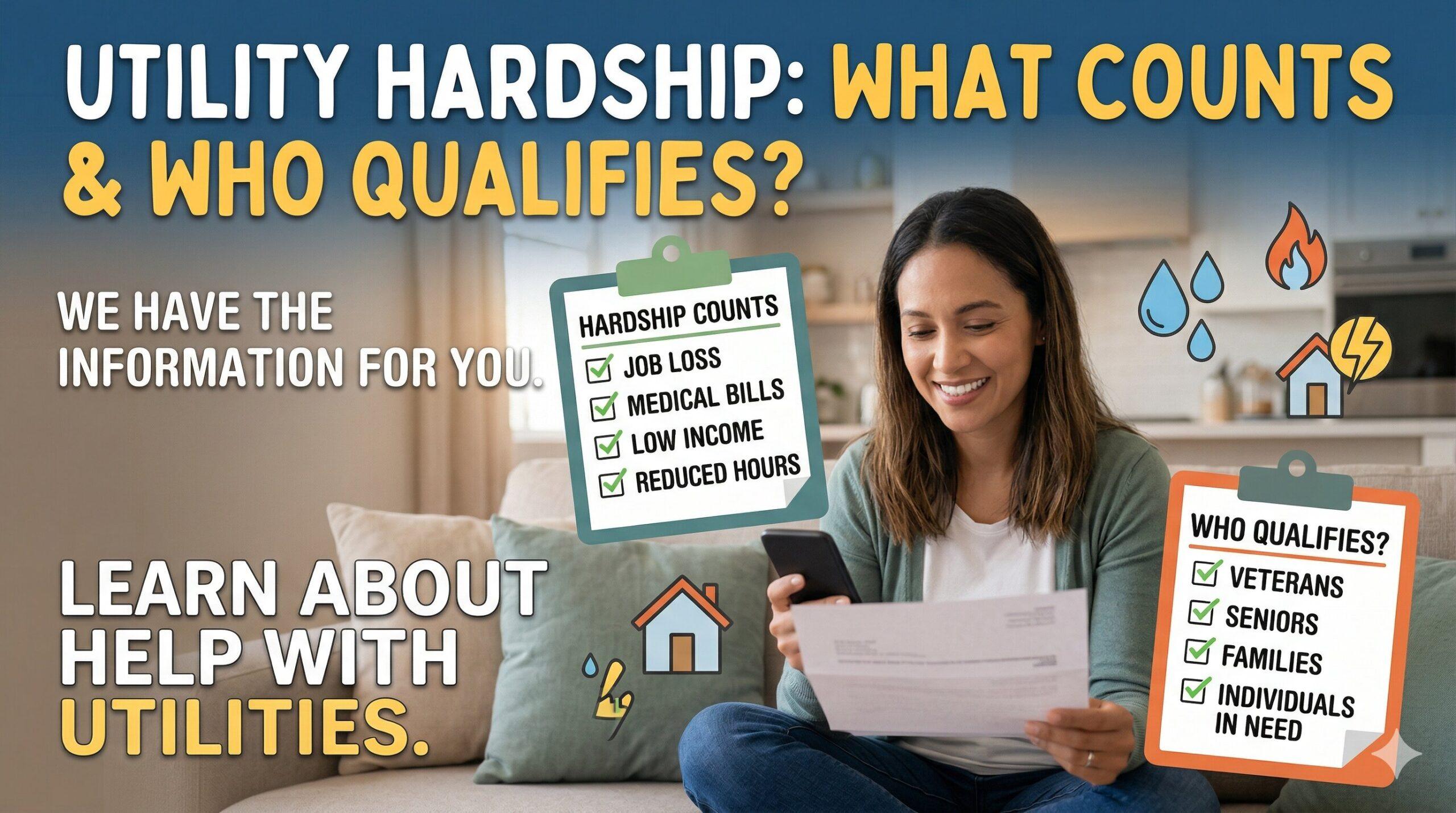
Eligibility is primarily determined by your household income relative to the federal poverty level and by household size. Most states set their standard threshold at 150 percent of the FPL, though some go as high as 60 percent of the state median income. Priority consideration is extended to households with elderly members aged 60 and older, people with disabilities, and young children under six, because these groups face the greatest health risk from extreme temperatures. Many working households with modest regular income also qualify because the program weighs energy cost burden against income rather than just income alone, and both homeowners and renters are eligible.
It is worth noting that households do not need to be in active crisis to apply for the standard heating or cooling benefit. The program is designed to help households manage ongoing energy costs before they reach a shut-off situation, not only after. Applying early in the enrollment season increases both the chance of receiving a benefit and the likelihood that the benefit arrives in time to be genuinely useful.
How to Apply and What to Expect
Applications go through your state or local LIHEAP administering agency, which in most states is a community action agency or a local department of social services. Many states now accept online applications, but in-person appointments remain required in some areas. Documents you will typically need include a recent utility bill or account number for each utility you need help with, proof of current income for every adult in the household, a government-issued photo ID, and documentation of your current address.
Standard applications are processed within two to four weeks. Crisis applications for households with active shut-off notices or confirmed fuel emergencies are handled within 24 to 48 hours. LIHEAP pays your utility provider or fuel supplier directly. No check is mailed to you personally. The benefit appears as a credit on your utility account. It is also worth knowing that LIHEAP benefit amounts vary based on available funding in a given program year, your household’s income and energy costs, and the type of fuel you use. Contacting your local LIHEAP office before you apply is the best way to get a realistic estimate and learn whether state-funded supplements are currently available in your area.
One detail that catches some applicants off guard is the difference between the program year and the calendar year. LIHEAP operates on a federal fiscal year that runs from October through September, and individual states open and close their enrollment windows within that period based on available funding. Asking your local LIHEAP office when the next enrollment window opens and what you can do to prepare your application in advance is one of the most useful questions you can ask to avoid missing the funding window entirely.


Leave a Reply