

Utility bill payment extensions give households extra time to pay essential services like electricity, water, and gas. They are designed to prevent disconnection during financial hardship and provide temporary relief. Families benefit from understanding the process clearly, since each step matters in securing approval and maintaining service. Let’s walk through how they work from start to finish.
Requesting an Extension
The process begins when a customer contacts their utility provider to request more time. Extensions are not automatic, so communication is essential. Customer service representatives usually ask for account details and a brief explanation of financial hardship. Making the request early improves the chance of approval and helps avoid service interruptions.
Reviewing Eligibility
Utility companies evaluate whether the customer qualifies for an extension. Eligibility often depends on payment history, current account status, and proof of hardship. Some providers limit the number of extensions available each year. Understanding these requirements ensures households know when they can rely on this option.
Providing Documentation
Customers may need to submit documents that support their request. Proof of income loss, medical bills, or unemployment records are common examples. Utility companies use these documents to confirm the situation is genuine. Preparing paperwork in advance makes the process smoother and reduces delays.
Confirming New Due Dates
Once approved, the utility provider sets a new payment deadline. This extended date gives customers additional time to gather funds. The company communicates the new schedule clearly, often through email or account portals. Knowing the exact due date helps families plan their budgets responsibly.
Understanding Fees and Conditions
Extensions do not erase the bill but delay payment. Some providers charge late fees or interest if the balance is not cleared by the new deadline. Customers should ask about these conditions before agreeing. Transparency ensures households avoid surprises and manage costs effectively.
Combining Extensions with Assistance Programs
Many utility companies offer additional support programs alongside extensions. Budget billing spreads costs evenly across the year, while hardship programs reduce bills for qualifying customers. Families can strengthen their safety net by combining these options. Using multiple forms of support creates more stability during financial challenges.
Partnering with Community Support
Community organizations often collaborate with utility providers to help struggling families. Charitable rent aid programs may cover housing costs, freeing income for utility bills. Nonprofits sometimes provide emergency funds to prevent disconnection. These partnerships expand the resources available to households in need.
Tracking Application Status
Customers should monitor their extension request through online portals or customer service lines. Tracking status ensures that documents are received and processed correctly. Staying informed allows families to respond quickly if more information is required. Regular follow‑up demonstrates responsibility and persistence.
Maintaining Records
Keeping records of extension agreements is important for accountability. Families should save confirmation emails, letters, and notes from customer service calls. Organized documentation prevents confusion about due dates and fees. Records also help if future extensions are requested.
Using Extensions During Seasonal Spikes
Utility bills often rise during extreme weather seasons. Heating costs in winter or cooling expenses in summer can strain budgets. Extensions provide relief during these high‑demand periods. Families can use them strategically to balance expenses until income stabilizes.
Communicating with Providers
Strong communication with utility providers builds trust. Customers who explain their situation clearly are more likely to receive flexible arrangements. Providers appreciate proactive contact rather than late payments without explanation. Good communication may even lead to more favorable terms in the future.
Exploring Alternative Payment Options
Extensions are one tool, but other payment options may be available. Some utilities allow installment plans or partial payments. Others provide discounts for seniors or low‑income households. Exploring these alternatives ensures families maximize available support and reduce financial strain.
Considering Credit Impact
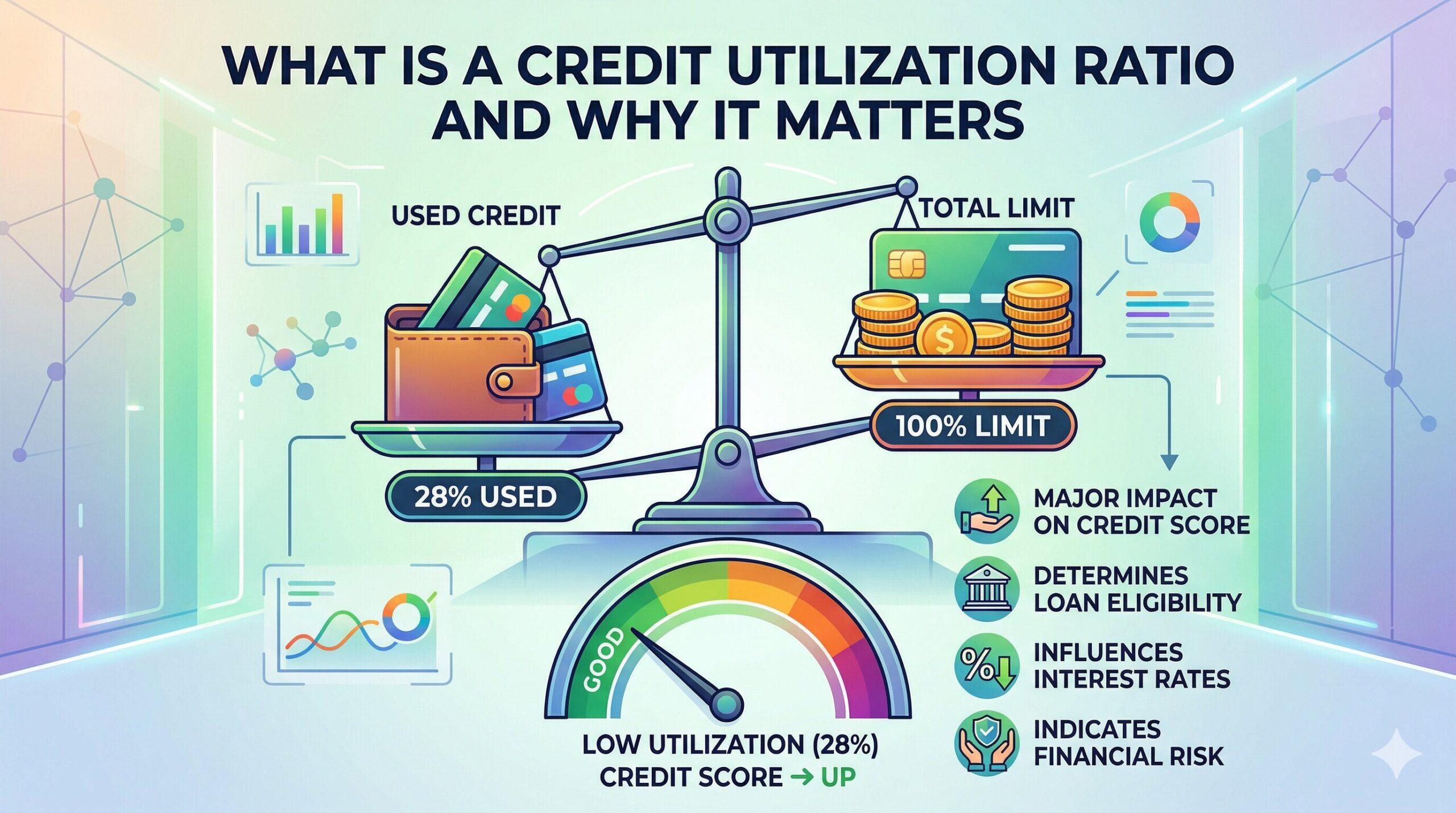
Late payments can affect credit scores if reported to credit bureaus. Extensions help avoid negative marks when payments are made by the new deadline. Responsible use protects credit history and supports long‑term financial health. Families should treat extensions as commitments to pay on time.
Seeking Professional Guidance
Nonprofit financial counselors can help families manage bills and debt. Counselors provide advice on budgeting, prioritizing expenses, and applying for assistance programs. Professional guidance ensures that extensions are part of a broader recovery plan. Families gain confidence and stability through expert support.
Utility bill payment extensions work through a clear process: requesting help, proving eligibility, submitting documents, and following new deadlines. They provide temporary relief while households manage financial challenges. When combined with assistance programs, community support, and responsible planning, extensions help families maintain essential services. Understanding each step ensures families use extensions wisely and protect their long‑term stability.




Leave a Reply